About the Exam

GIAC’s GICSP certification validates a practitioner’s ability to secure industrial control systems across the lifecycle. It is a vendor-neutral, practitioner-focused certification for people who engineer or support control systems, including ICS IT practitioners, security analysts, security engineers, managers, and vendors. Passing demonstrates knowledge of ICS components and architecture, attack surfaces, defense techniques, incident response, and industrial cybersecurity governance.

Exam Topics

  • Hardening & Protecting Endpoints0%
  • ICS Components & Architecture0%
  • ICS Overview & Concepts0%
  • ICS Program & Policy Development0%
  • Intelligence Gathering & Threat Modeling0%
  • PERA Level 0 & 1 Technology Overview and Compromise0%
  • PERA Level 2 & 3 Technology Overview and Compromise0%
  • Protocols, Communications, & Compromises0%
  • Risk Based Disaster Recovery & Incident Response0%
  • Wireless Technologies & Compromises0%

How to Use This Practice Exam

  1. Browse — Read each question, select your answer, and reveal the explanation.
  2. Exam Mode — Simulate real exam conditions with a timed session and score report.
  3. Learn Mode — Spaced repetition schedules questions you struggle with for long-term retention.

Download the Full Exam PDF

Get every question and answer in a clean, printable PDF built for offline study. Purchase once, keep permanent access, and re-download the latest version anytime.

Last updated December 4, 2025 at 2:24 AM

Topic filter
Retired questions
Question sort
Questions per page

QuestionQ1

Hardening & Protecting Endpoints

An organization plans to use Active Directory to manage systems in its Business and Control system networks. Which of the following is the recommended security practice?

Explanation

Corporate/Business and control-system networks should use separate Active Directory domains so that their authentication and trust boundaries are not shared. This helps prevent compromise of a corporate identity service from extending into the control environment. CISA advises never sharing Active Directory or other trust stores between corporate and control networks.

Learn more

Community Discussion

No comments yet. Be the first to start the discussion!

QuestionQ2

Protocols, Communications, & Compromises

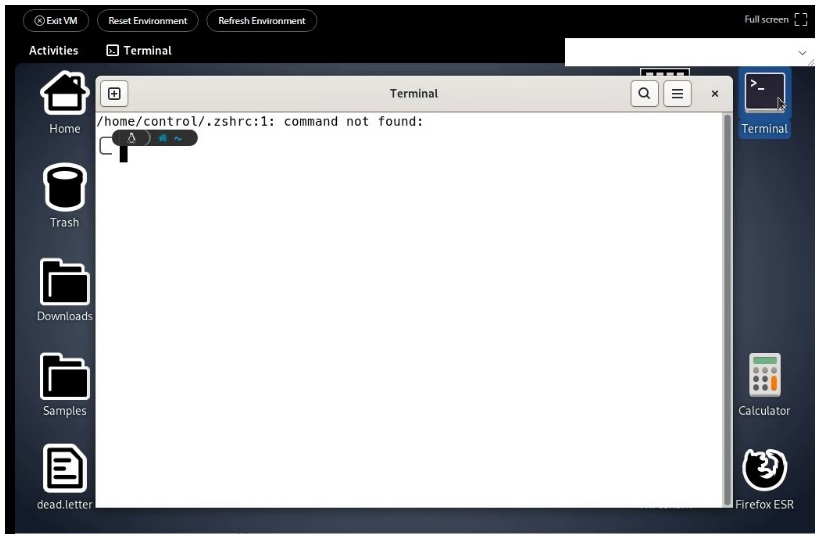
Use sqlmap to enumerate tables from http://localhost/index.php? page-login.php. The required data are:

user_name=j password=p

Submit_button=Submit -

How many tables does sqlmap find in the dojo_control database?

Hint: The option for enumerating tables is --tables.
Question Image

Explanation

The --tables switch enumerates table names, and -D dojo_control scopes that enumeration to the dojo_control database. The enumeration result contains three tables.

Learn more

Community Discussion

No comments yet. Be the first to start the discussion!

QuestionQ3

Hardening & Protecting Endpoints

An attacker creates a program that inputs a very large number of characters into a website’s password field, followed by a command. The website grants him administrative access even though he did not provide a valid username or password.

What is this attack called?

Explanation

A buffer overflow occurs when input exceeds a program’s allocated memory buffer, potentially overwriting adjacent memory or control data. An attacker can use the overflow to execute a supplied command or bypass normal authentication, resulting in administrative access without valid credentials.

Community Discussion

No comments yet. Be the first to start the discussion!

QuestionQ4

ICS Components & Architecture

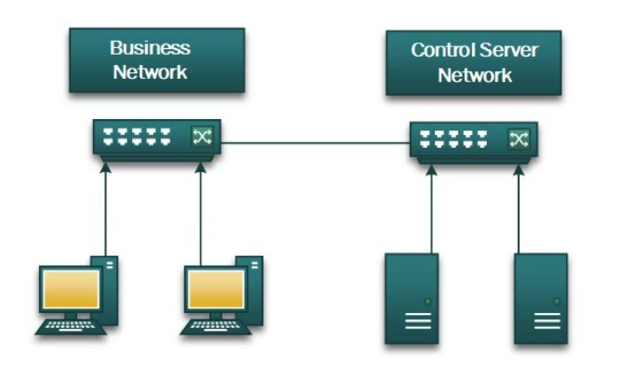
Based on the following diagram, how many Active Directory domains should be created for this network?
Question Image

Explanation

A business network and a control-server network require separate security boundaries, so they should use separate Active Directory domains with no trust relationship. Domains in the same Active Directory forest are automatically connected by two-way transitive trusts; that would allow cross-domain authentication rather than preserving isolation.

Learn more

Community Discussion

No comments yet. Be the first to start the discussion!

QuestionQ5

PERA Level 0 & 1 Technology Overview and Compromise

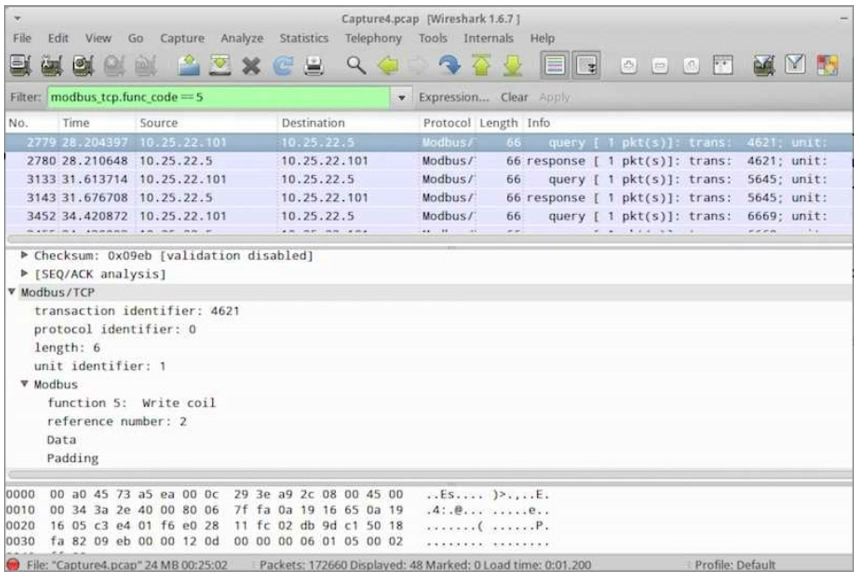
Which information could be discovered by dumping data at rest from a Purdue Enterprise Reference Architecture level 0/1 device?
Explanation

Static cryptographic keys are commonly stored in persistent device memory so the device can authenticate or encrypt communications after reboot. A data-at-rest acquisition can therefore expose those keys.

Community Discussion

No comments yet. Be the first to start the discussion!
Know a question that should be here? Contribute to this exam
Back home